
Breaking a Harmful Tradition Through Education and Empowerment
On a recent journey to Samburu, a region in northern Kenya, I reflected on how education, dignity, and opportunity can protect girls from harmful cultural practices like female genital mutilation (FGM)—and how Light Up Hope is helping rewrite their futures.
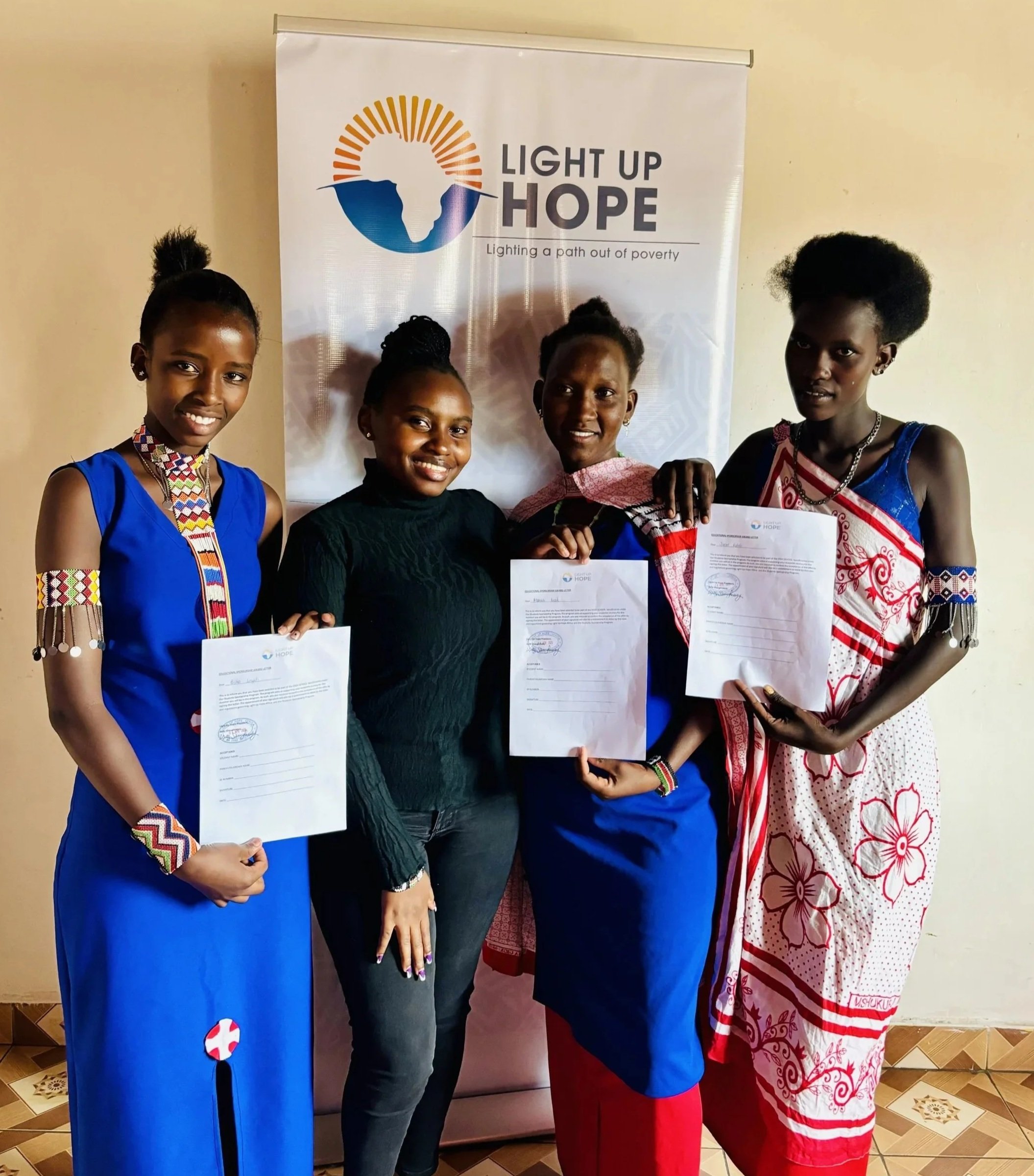
Gracious Aganda, second from the right, stands with Light Up Hope Scholars who just received their scholarship letters.
I stared out the window of Light Up Hope's rugged four-wheel-drive vehicle, watching the dusty landscape of Samburu stretch endlessly beneath the burning sun. Hills rolled by, punctuated by prickly acacia trees. Jostling over these bumpy rural roads, my thoughts wandered to culture—how every community holds on to traditions passed down through generations. I reflected with gratitude that many of the cultural practices I grew up around were beautiful and nourishing; like respecting a giving priority to elders, sick people and mothers with small babies.
But for many girls born into communities where female genital mutilation (FGM) is practiced, tradition can be a threat. With little to no choice of their own, girls as young as nine years are expected to endure a dangerous, non-medical procedure that puts their health, dignity, and lives at risk.
This harmful tradition practiced by Maasai people in parts of Kajiado, Narok and Samburu counties in Kenya, involves the partial removal of the external genitalia for non-medical reasons. It is viewed as a right of passage for womanhood, a way to preserve family honor, prepare girls for marriage and control their sexuality. FGM posses immediate danger including heavy bleeding, infections, complications during birth, and even death.
I have had the opportunity to sit with some of these girls and listen to stories that are deeply unsettling. One that has stayed with me is the beading practice, where a girl as young as nine years old is adorned with beads that mark her as sexual property for a moran, a traditional warrior, often with the full knowledge of her parents. Pregnancy is strictly prohibited, and if it occurs, the girl may be subjected to a crude abortion before being married off to a much older man. These stories are not distant histories, they are lived realities.
When we arrived in Samburu, I met beautiful, jovial young girls whose pain is hidden beneath their smiles. They are always eager to welcome visitors, their laughter masking the silent risks they face simply for being born into certain circumstances. This is where Light Up Hope’s work becomes not just important, but urgent.
Keeping Girls Safe by Keeping Them in School
Education is at the heart of Light Up Hope’s approach to preventing FGM and other cultural practices limiting girls’ opportunities. We believe that when a girl stays in school, she is safer, more informed, and more empowered to envision a future beyond harmful cultural practices. Through our High School Scholarship Program, we support vulnerable girls by covering school fees, learning materials, and essential needs.
By remaining in school, these girls are less likely to be subjected to early marriage or FGM. Education gives them knowledge about their rights, builds their confidence, and creates protective environments where teachers and mentors can advocate for them.
One such girl is Vivian Nashaki. At the tender age of 13, Vivian was subjected to FGM, which almost took her life due to excessive bleeding. With the help of a teacher, Vivian escaped and she was sheltered in secret. She later become top of her class in the national exams but her family was too needy to pay for her high school education, so the threat of early marriage came by again. She however persevered through challenges, joined school without fees, did jobs such as selling charcoal and cleaning the classrooms along side her mom to reduce the school fees balance which was piling up.
Vivian was among the girls selected for the high school scholarship by Light Up Hope and her school fees balance was cleared and all her other school needs such as paying of revision books, pocket money and suppliers were met.
“Before, I couldn’t dream of going to university. But now, with this scholarship, I know it’s possible. I want to study International Relations at Kenyatta University.”
Empowering Parents to Break Poverty and Harmful Practices
FGM is often deeply intertwined with poverty. In some communities, girls are married off in exchange of livestock or financial security, making harmful practices seem like survival strategies. Light Up Hope addresses this root cause by empowering parents and caregivers of sponsored students with capital to start small businesses.
These income-generating activities reduce extreme poverty and ease the economic pressure that may push families to marry off their daughters. When parents are economically stable and informed, they are better positioned to protect their daughters.
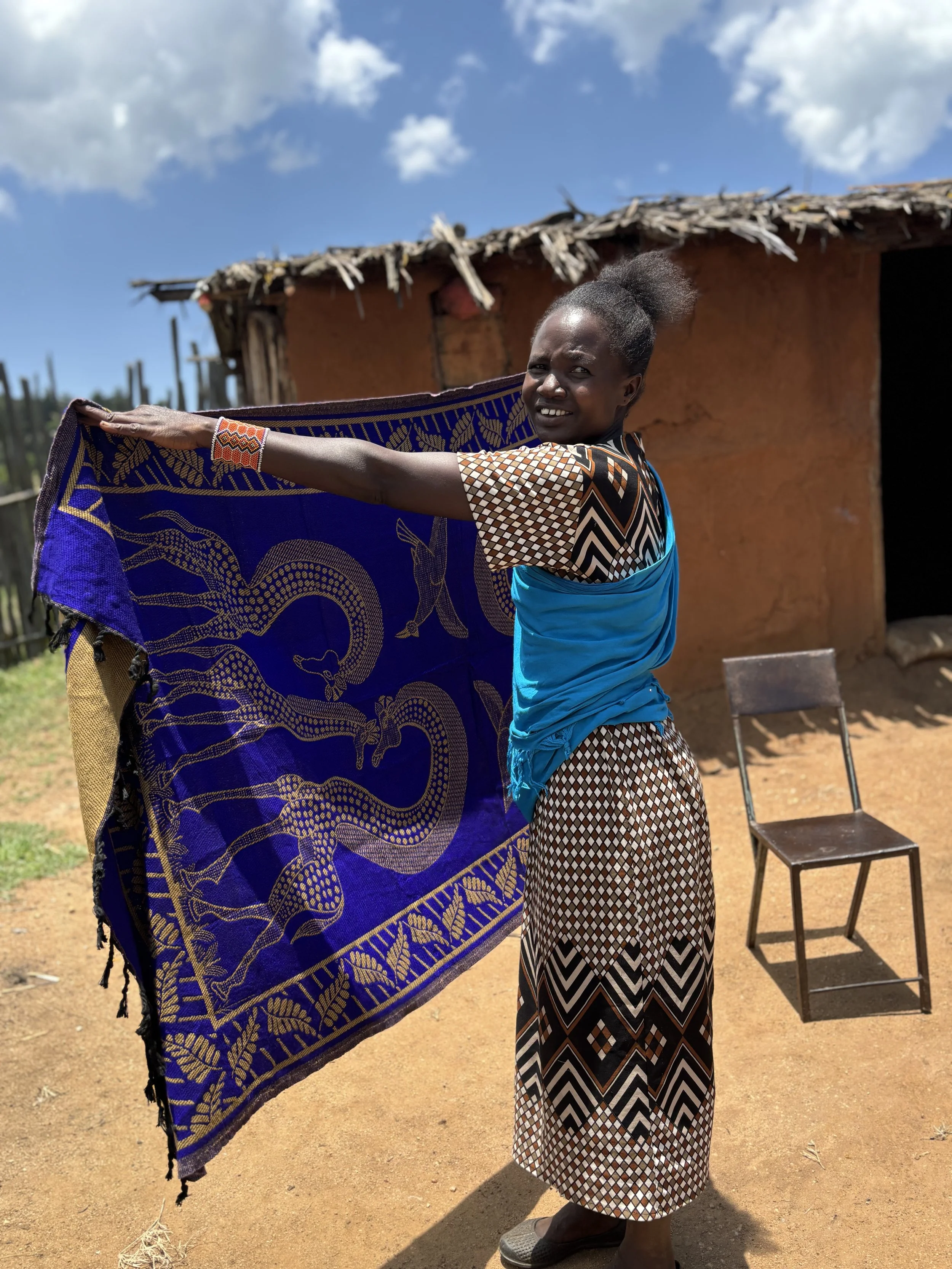
A parent shows off her shukas (traditional Maasai blanket) business. (Credit: Gracious Aganda/Light Up Hope)
Mentorship, Exposure, and Cultural Exchange for Lasting Change
Beyond financial support, Light Up Hope creates spaces for mentorship and exposure through our Annual General Meetings. We bring together students and parents from different parts of the country, fostering cultural exchange, shared learning, and collective reflection. These interactions help communities question harmful norms and learn from others who have chosen different, safer paths.
Mentorship sessions equip students with life skills, confidence, and a sense of belonging. Parents, too, are sensitized on children’s rights, health risks associated with FGM, and alternative rites of passage. Change does not happen overnight, but through consistent exposure, dialogue, and support, communities begin to shift.
On my ride back home from Samburu, I felt grateful to have made a difference—however small. As a mother, the experience strengthened my resolve. I vowed to always put my daughter’s needs before societal pressure and to protect her from any predatory cultural practices. This is the future Light Up Hope is working toward: one where every girl is safe, educated, and free to choose her own path.
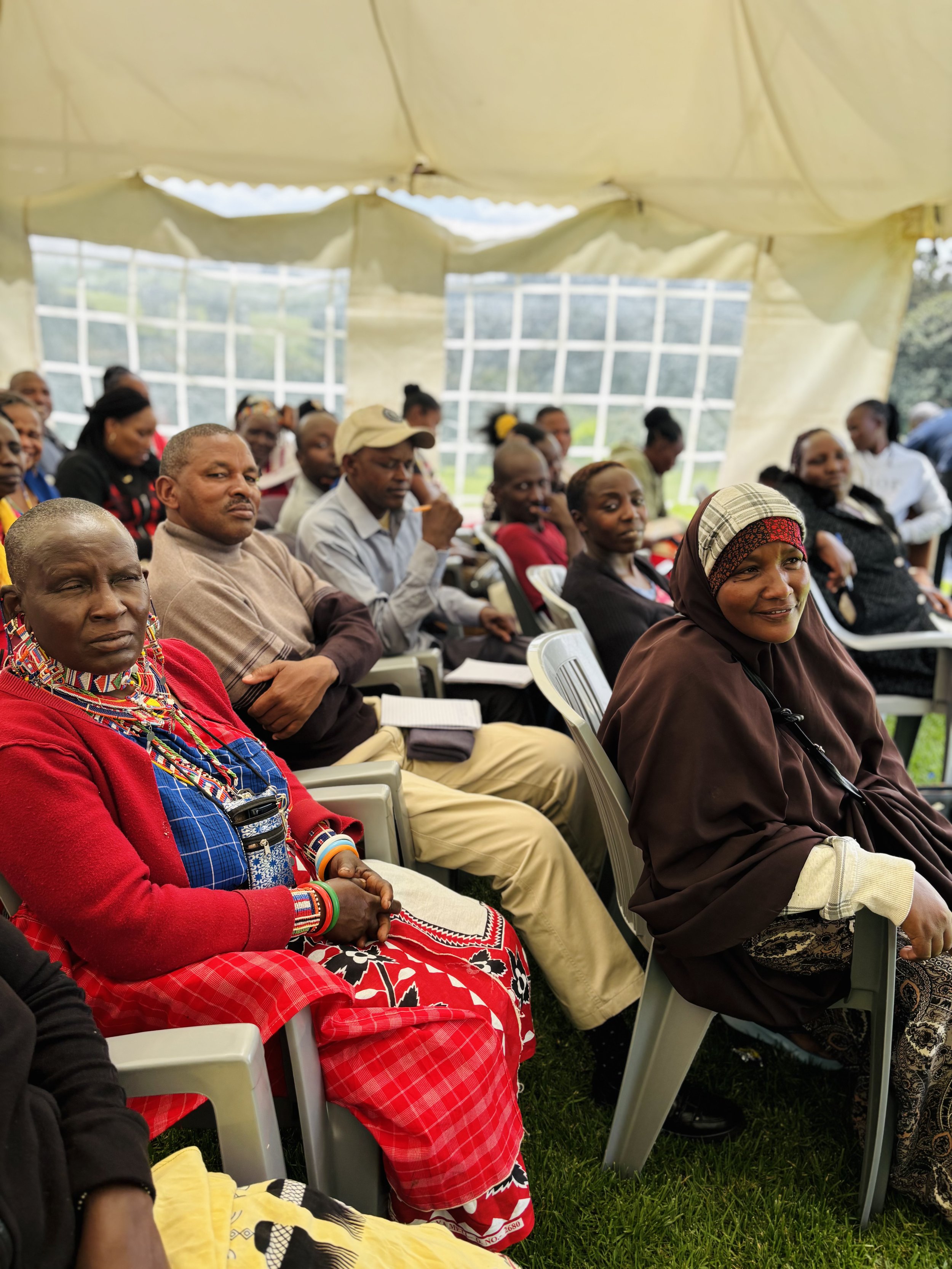
Parents listen to an economic empowerment facilitator during the Light Up Hope Annual General Meeting. (Credit: Gracious Aganda/Light Up Hope)
You can be part of ending FGM by supporting education and community empowerment. Sponsor a student or support a family towards protecting girls and transforming communities.