
Mental Health as a Path Out of Poverty
When anxiety takes over, even the brightest minds can struggle. Mental health is not a side issue for learners from low-income backgrounds; it is the foundation of lasting empowerment.
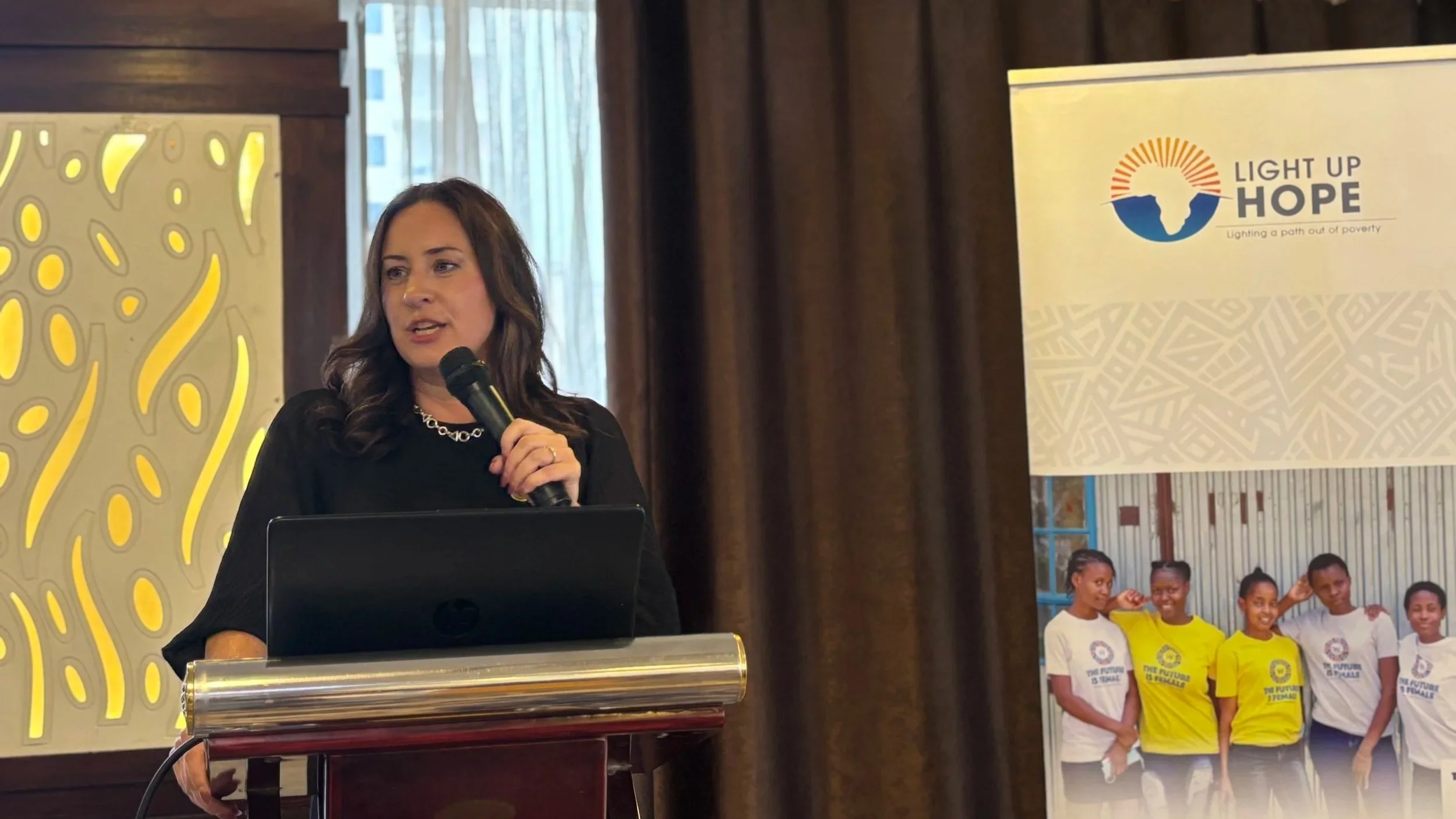
Kelly Shaughnessy, President of Light Up Hope, speaks at a session on empowering youth through mental health awareness and education. (Credit: Gracious Aganda)
During school vacations, Light Up Hope runs outreach programs where we meet with students, check on their progress, and offer mentorship and guidance outside the normal academic schedule. These meetings are more than an opportunity to maintain connections to our sponsored students, they are a venue for tackling poverty from many angles, including empowerment through mental health awareness.
At an August event with parents in Kajiado County, Kenya, I had the opportunity to share a topic that I am passionate about—helping high school students combat academic performance anxiety. As a trained and practicing mental health counselor, I have seen students suffer under the heavy weight of self-doubt and fear of failure. I have worked with students over the years to learn how to recognize the symptoms of anxiety and to face it head-on so they can disarm the anxious beliefs and develop confidence and resilience.
Building Awareness of Anxiety in Students
In Colorado, where I work on mental health with individual teens on an ongoing basis, students generally have a strong understanding of what anxiety is. My role is primarily to help them develop the practical skills to cope with anxious thoughts in their personal and academic lives. However, when I connect with our students in Kenya, the challenge is more foundational.
In Kajiado, a county in southern Kenya, I spoke in front of an audience of more than 180 students, parents, facilitators, and staff and was given a short time to begin to build a basic understanding and awareness of anxiety and how it can impact academic performance through avoidance behaviors such as procrastination.
The audience was filled with Maasai fathers and mothers, dressed in traditional brightly colored woven clothing and beaded jewelry, and shy students listening with the focused composure common among students who have grown up in strict, challenging academic settings.
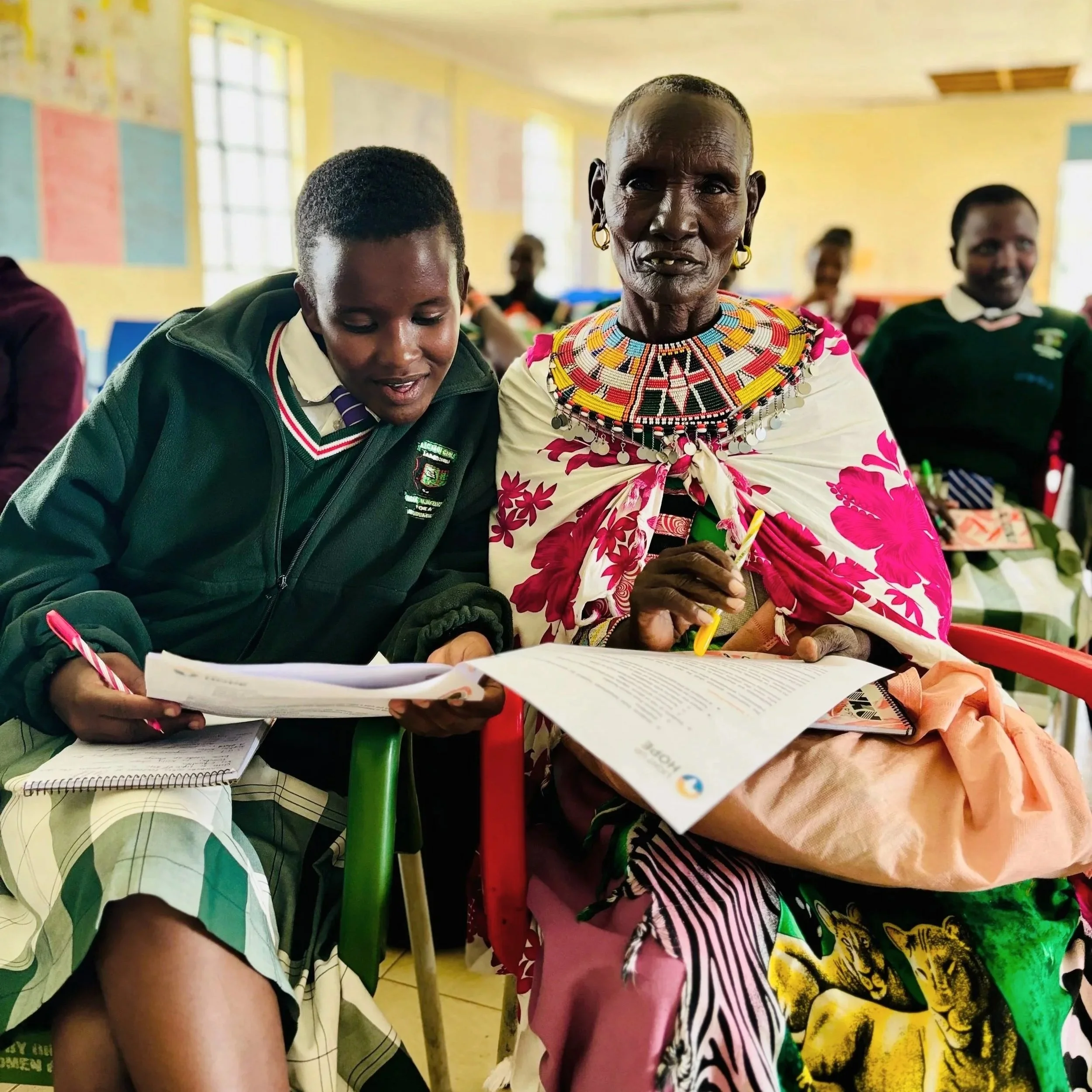
A Maasai mother and daughter participate in a high school scholarships event in Samburu County. (Credit: Gracious Aganda)
Facing the Lions of Fear and Doubt
While the topic of anxiety is one I have been teaching about for years, this was my first time to have to contextualize the biological and mental components of anxiety to a pastoralist community. When I normalized the fear that is produced in moments of anxiety, I shared with the students and parents that the anxious mind and body when under pressure wants to encourage you to run away, in the same way that you would have the instinct to run away if a lion were to walk into the lecture hall in that moment.
The fathers elicited smiles of pride when I pointed out that perhaps among them were Maasai warriors who had the courage to face a lion, rather than run away from it. The Maasai are renowned for their bravery, especially the moran—warriors who once proved their courage by confronting lions to protect their community.
This is what I was teaching these primarily Maasai students: that in order to build courage and confidence, they too needed to face their “lions” of test anxiety and self-doubt, confident in the belief that walking this unfamiliar path will ultimately lead them out of poverty. I also shared tips on positive visualizations, including a technique of scanning their thoughts for negativity and intentionally choosing to believe in the best outcome—one where they study hard, prepare for their exams, and succeed.
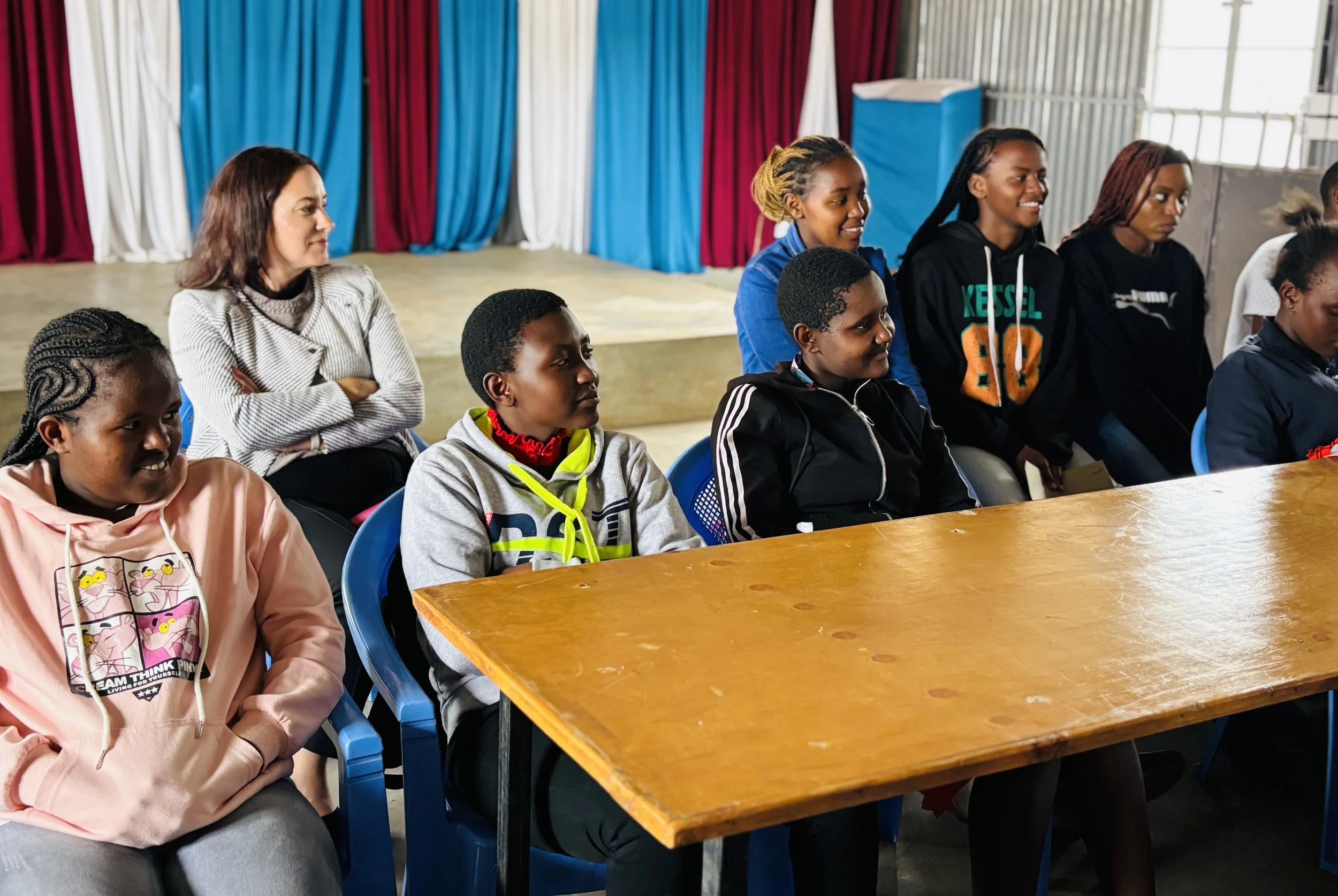
Participants engage in a listening session on mental health led by an external facilitator. (Credit: Gracious Aganda)
Why Mental Health Matters in Ending Poverty
During the rest of this full-day event, I attended mental health and empowerment seminars and finished the day full of hope that the work we are doing to not only provide access to education but to also to mentor the students along this unknown path was sure to pay off in stronger academics and more dreams realized. Throughout the day, facilitators opened up meaningful conversations about self-worth, healing, and the power of resilience, speaking sincerely and drawing students into the heart of what it means to grow, to hope, and to believe in oneself.
As I sat among smiling students and listened to their laughter, I could feel a deep sense of transformation taking place— a transformation sparked by honest conversation and genuine connection.
At Light Up Hope, we recognized early on that mental health interventions are key to tackling the challenges of poverty, as the very definition of complex trauma goes hand in hand with a lack of resources. Situations of instability and insecurity—the absence of basic necessities such as food and shelter, exposure to violence and neglect, or growing up in a community that has faced marginalization, high crime rates, war, or natural disasters—are traumatic experiences that are prevalent in communities experiencing systemic poverty.
So in order to help our students focus in class and build self-esteem and resilience, we support them by helping to address their mental health and learn how to heal from the past. Using proven techniques taught by Light Up Hope’s mental health team, these students can mitigate their anxiety and achieve the grades that will enable them to attend university—a path that none of their family members have walked before them, a path out of poverty.
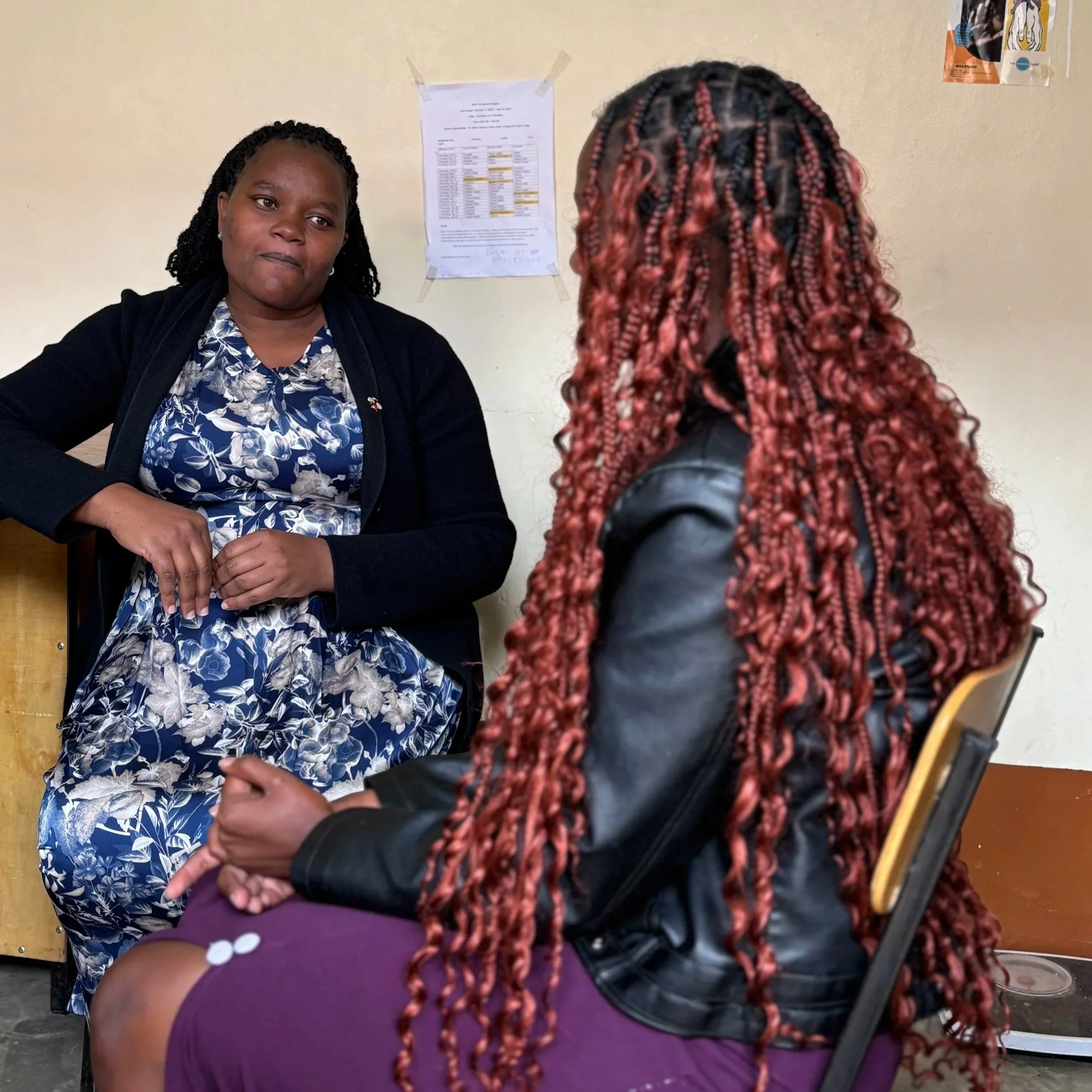
Light Up Hope’s Mental Health Counselor, Jacinta Ndanu, shares a one-on-one moment with a student. (Credit: Gracious Aganda)
Help Them Face Their “Lions”
At Light Up Hope, we believe that education and mental health go hand-in-hand in breaking the cycle of poverty. Join us in empowering students to face their “lions” with courage and confidence. Your support helps them build resilience, achieve their dreams, and create brighter futures.